BNY’s Bob Savage describes a fragile risk backdrop, with investors tracking the Strait of Hormuz as a key barometer for energy supply relief. Despite ceasefire doubts after Iran–U.S. exchanges, risk assets are firmer, Oil is lower, Gold higher and the Dollar bid.
UBS's Chief Economist Paul Donovan notes that Oil markets showed a muted reaction to reports of US–Iran exchanges in the Gulf, as investors had already discounted earlier US optimism and focused on Iranian comments.
The US Dollar (USD) shows minor losses against the Canadian Dollar (CAD) on Tuesday, although it remains steady above 1.3600 so far, trading at 1.3515 at the time of writing and holding most of the last two trading days' gains, after bouncing from Friday’s lows at 1.3550.A moderate risk aversion is
Brown Brothers Harriman’s (BBH) Elias Haddad highlights that Switzerland’s April Consumer Price Index (CPI) was mixed, with headline inflation boosted by energy but core CPI slipping to a multi‑year low.
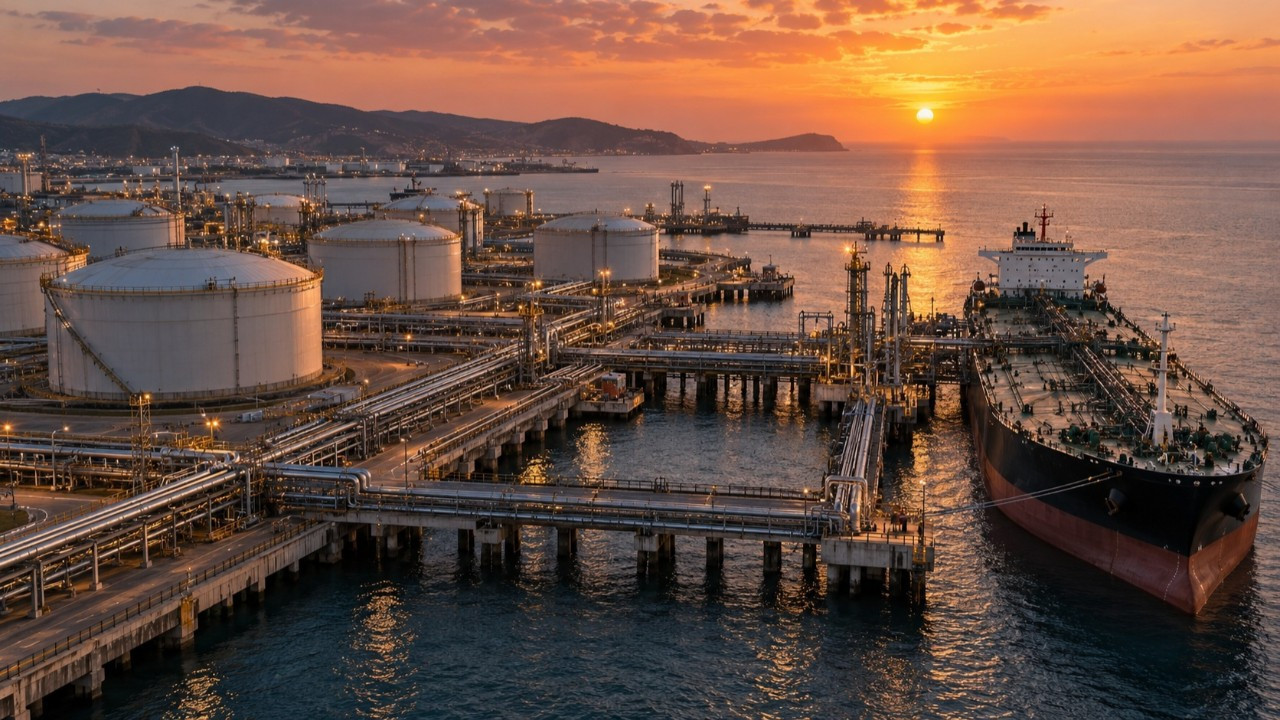
Danske Research Team underlines that escalating US–Iran tensions in the Strait of Hormuz are sustaining volatility in Oil markets. Brent crude trades over 110 USD/bbl, reflecting persistent supply concerns.
ING’s Chris Turner warns that higher natural gas prices could become a fresh headwind for the Euro (EUR). He reiterates ING’s view that 1.17 remains a fair level for EUR/USD under current assumptions for energy, policy and equities.
Dow Jones futures gain 0.24%, trading near 49,200 during the European hours on Tuesday, ahead of the United States (US) regular opening. Meanwhile, the S&P 500 rise 0.30% to near 7,250, and the Nasdaq 100 futures advance 0.48% above 27,900.
National Bank of Canada (NBC) strategists Stéfane Marion and Kyle Dahms note the Canadian Dollar (CAD) has rebounded sharply, with USD/CAD moving back toward 1.35 as higher Oil prices bolster Canada’s trade and fiscal outlook.
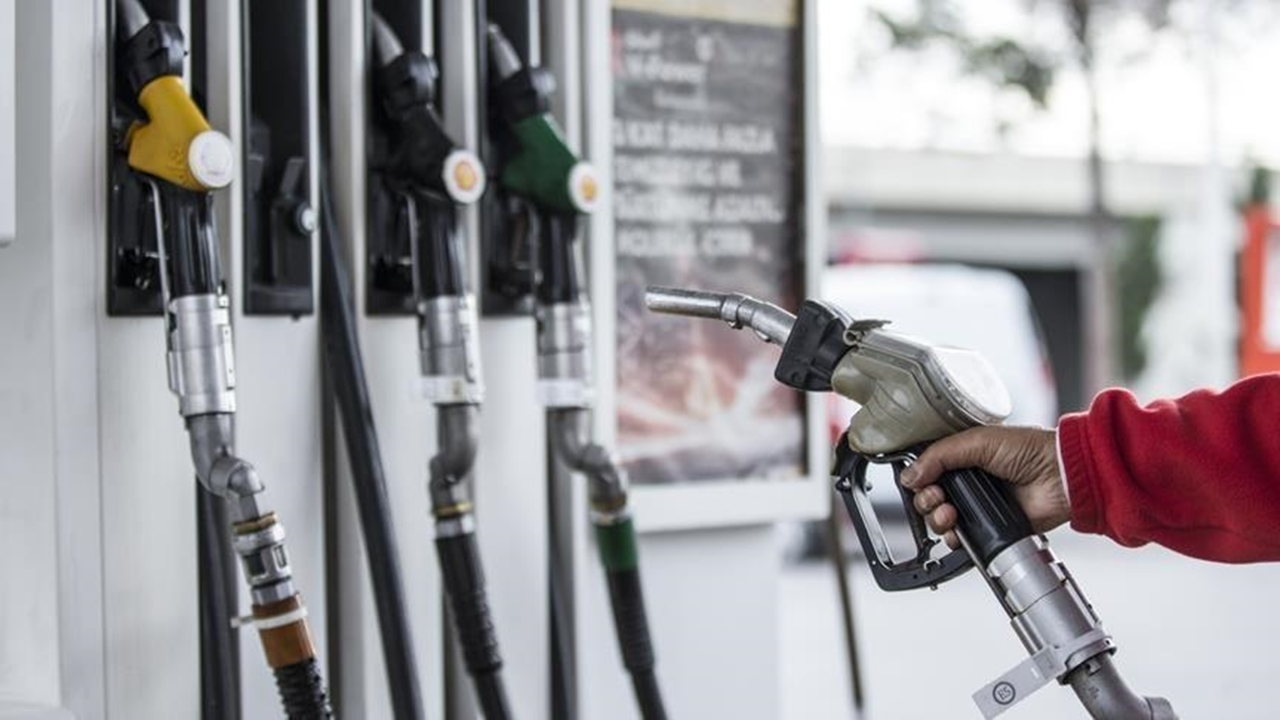
Californian retail fuel prices have hit $6.114 per gallon for the first time since 2023 amid the global supply crunch that has exposed the state’s vulnerabilities, notably its dependence on foreign oil supply. California sources close to a third of the crude oil it consumes from the Middle East. The
ING analysts Warren Patterson and Ewa Manthey note that ICE Brent has surged as renewed conflict in the Persian Gulf raises concerns over supply disruptions.